Sneezing After Raking Leaves? It Could Be a Mold Allergy
Oct 20, 2026
How Mold Allergies Can Affect Your Fall Season
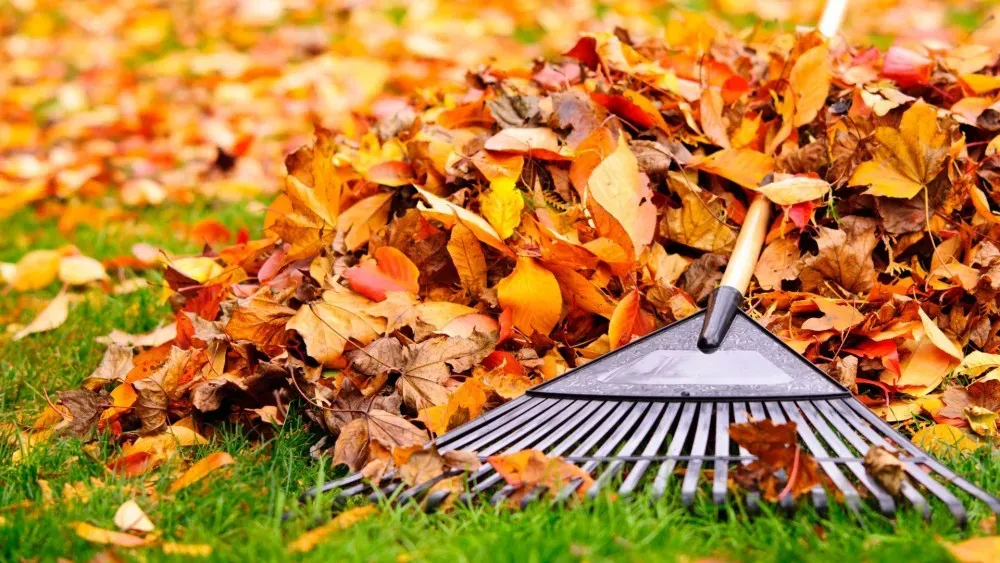
You head outside to rake leaves on a beautiful October afternoon. By the time you finish, your nose is running, your eyes are itchy, and you cannot stop sneezing. What happened?
For some people, fall yardwork brings exposure to mold spores that trigger allergy symptoms. Understanding that connection can help you take practical precautions and recognize when it is time to get evaluated.
Mold grows on decaying plant material, including fallen leaves, rotting wood, and compost. It releases microscopic spores into the air. Raking or moving a pile of leaves can stir up those spores, making them easier to breathe in. Outdoor mold can be an allergy trigger during summer and fall.1
The leaves themselves are not necessarily what you are allergic to. In someone with a mold allergy, the immune system reacts to inhaled spores. Symptoms may appear soon after exposure or develop later.2
Here in Hampton Roads, VA, humid coastal weather can keep outdoor mold active well into fall.
Mold allergies can cause sneezing, a runny or stuffy nose, itchy or watery eyes, and postnasal drip. Some people also develop a cough. You may notice symptoms after yardwork or in damp, musty spaces.
These patterns are worth sharing with your doctor, but only an evaluation can confirm the cause. Other allergies and respiratory conditions can produce similar symptoms. Ragweed pollen, for example, peaks in mid-September in most areas of the U.S. and can last through October, right alongside leaf season.3 Keep a brief record of when symptoms occur, where you were, and what you were doing. That information can help guide your evaluation.
If you know that mold triggers your symptoms, consider having someone else handle leaf raking or compost. When you need to do the work yourself, wear a protective mask over your nose and mouth. Limit outdoor activities when mold counts are high, and avoid letting piles of decaying leaves accumulate around your home.1,2
Mold can also grow indoors, and it matters more once windows close for the season. Fix leaks promptly, use bathroom exhaust fans, and keep indoor humidity around 30% to 50%. A humidity meter can help you determine whether a dehumidifier is needed.
If symptoms keep returning or interfere with sleep and daily activities, schedule an evaluation. Your clinician can review your history, examine you, and decide whether skin or blood testing would help identify an allergy.
Treatment may include a nasal corticosteroid spray to reduce inflammation or an antihistamine for symptoms such as itching and sneezing. Allergy shots may be an option for certain mold allergies, depending on the specific trigger and your clinical history. Your physician will tailor treatment to you.
Mold exposure can also trigger asthma symptoms in susceptible people. Seek prompt medical attention for wheezing, chest tightness, or shortness of breath. Severe difficulty breathing requires emergency care.
Can you be allergic to leaves?
Usually it is not the leaves themselves. The more likely triggers are mold spores from damp, decaying leaves and fall pollens such as ragweed. Allergy testing can help identify which one is affecting you.
When does mold allergy season end in Virginia?
Symptoms from outdoor mold spores are most common from July until the first hard frost. Mold does not die in the cold, though. Most outdoor molds become inactive over the winter and return when the weather warms.1
An afternoon outdoors should not leave you wondering how long your symptoms will last. If sneezing, congestion, or itchy eyes keep returning, our team at Advanced ENT & Allergy can help you explore the cause and discuss a treatment plan.
Schedule an appointment with Dr. Timothy Queen and the team in Newport News by visiting www.entallergy1.com or calling 757-979-6475.
References
1 Asthma and Allergy Foundation of America. Mold Allergy
2 Mayo Clinic. Mold allergy. Symptoms and causes; Diagnosis and treatment
3 Asthma and Allergy Foundation of America. Ragweed Pollen Allergy